Hangzhou Changshun Furniture Co., Ltd.
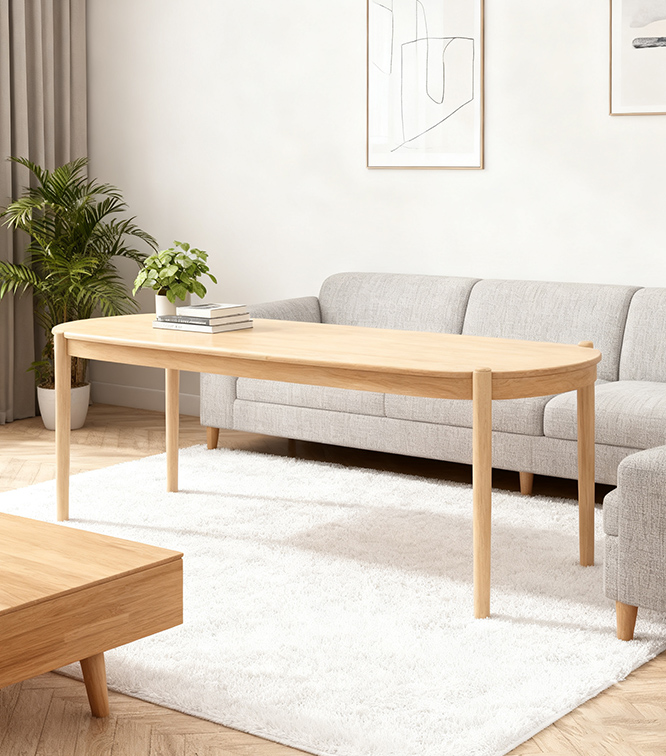
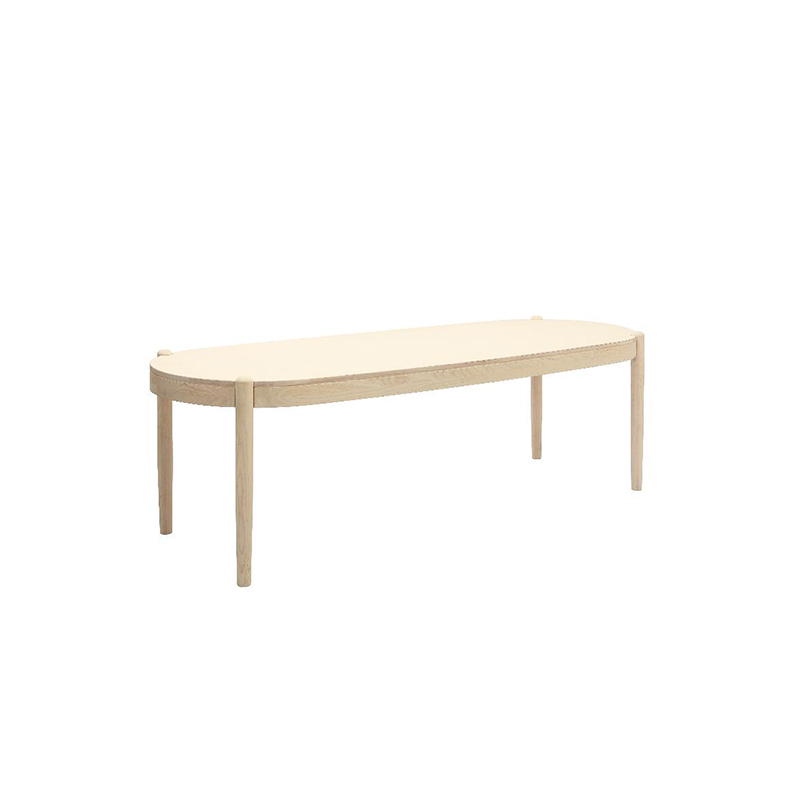 Oválný rodinný dřevěný jídelní stůl
Tento rodinný dřevěný jídelní stůl oválného tvaru dokonale spojuje jednoduché linie s t
Dobrý dřevěný stůl je víc než jen jednoduchý kus nábytku; dokonale spojuje estetiku a praktickou funkčnost. Jeho jedinečná přirozená textura a hřejivý pocit naplňují prostor vitalitou a smyslem pro vyprávění.
Dřevěné stoly se dodávají v široké škále stylů a snadno se přizpůsobí každému interiéru. Pokud dáváte přednost čisté, svěží atmosféře, je ideální severský nebo moderní minimalistický styl. Typicky se vyznačují elegantními liniemi, které ukazují krásu přirozené struktury dřeva. Pro drsnější styl průmyslový styl hladce kombinuje dřevo s kováním a vytváří jedinečný retro pocit. Pro milovníky tradiční kultury vytváří klasický dřevěný stůl v čínském stylu se svým slavnostním, symetrickým tvarem a pečlivě zpracovanými detaily klidnou a elegantní atmosféru.
O společnosti Changshun
Vaše důvěryhodná společnost
Hangzhou Changshun Furniture Co., Ltd. je integrovaný výrobce a obchodní společnost zabývající se designem, vývojem, výrobou a prodejem dřevěných a ratanových židlí a stolů. Výrobci dřevěných stolů a Továrna na masivní dřevěné jídelní stoly OEM v Číně.
Naše výrobky kladou důraz na pečlivý design a používají ekologické materiály pro zajištění bezpečnosti a zdraví. Navíc poskytujeme prémiový poprodejní servis pro řešení jakýchkoli problémů během používání, což zákazníkům zaručuje bezstarostný nákup.
S více než dvěma desetiletími oddané práce Hangzhou Changshun Furniture Co., Ltd. úspěšně rozšířila svůj trh do Evropy, Severní Ameriky, jihovýchodní Asie a na Střední východ a získává stálé uznání od klientů. Dodáváme Dřevěný jídelní stůl na zakázku, Dřevěný stůl OEM. Díky silným technickým znalostem, pokročilému výrobnímu zařízení, profesionální pracovní síle a vysoce kvalitním produktům a službám se společnost stala kvalitním podnikem v nábytkářském průmyslu provincie Zhejiang. Naše výrobky mají silnou pověst na mezinárodních trzích a získaly důvěru a podporu široké zákaznické základny.
Oborové znalosti
Hangzhou Changshun Furniture Co., Ltd. je integrovaný výrobce a obchodní společnost vyrábějící dřevěné a ratanové stoly a židle ve Fuyangu, Zhejiang, Čína. naše Výrobce dřevěných stolů Program zahrnuje jídelní stoly z masivního dřeva, oválné rodinné stoly, dřevěné stoly na zakázku a OEM vyrobené na základě výkresu nebo vzorku.
Zabýváme se návrhem, vývojem, výrobou a exportem v rámci jedné operace, takže detaily specifikace zůstávají nedotčeny od schválení vzorku až po hromadné dodávky. Sortiment nabízí rezidenční stravování, pohostinství, restaurace a maloobchodní distribuční programy v Evropě, Severní Americe, jihovýchodní Asii a na Středním východě.
Naše výroba dřevěných stolů se soustředí na jídelní stoly z masivu a rodinné stoly, přičemž reprezentativní platformou je oválný rodinný dřevěný jídelní stůl. Topy jsou vyrobeny z vybraného masivního dřeva, precizně leštěné a zakončené zaoblenými hranami, které změkčují profil a snižují riziko nárazu v rodinných a pohostinských zařízeních.
Stoly jsou konfigurovány kolem pracovního bodu projektu: počet míst k sezení, půdorys místnosti, tloušťka desky stolu, profil nohou, požadavek na prodloužení a systém povrchové úpravy. Stejná logika rámu podporuje jídelní, kavárenské, barové a smluvní varianty.
| Rozsah | Typická forma | Aplikace Fit | Klíčové konfigurační proměnné |
|---|---|---|---|
| Jídelní stůl z masivu | Obdélníkové, oválné, kulaté | Rezidenční stravování, maloobchodní programy | Tloušťka horní části, profil hrany, styl nohou, povrchová úprava |
| Oválný rodinný stůl | Oválný top, zúžené nohy | Rodinné stravování, kompaktní pokoje | Délka, šířka, počet sedadel, poloměr rohu |
| Smlouva / pohostinství stůl | Pevné nebo rozšiřitelné | Hotely, restaurace, kavárny | Mechanismus prodlužování, stabilita základny, trvanlivost povrchové úpravy |
| OEM / zakázkový dřevěný stůl | Na základě výkresu nebo vzorku | Privátní značka, sortiment distributorů | Rozměry, druhy dřeva, barevný panel, balení |
Výběr dřeva řídí tvrdost, charakter zrna a dlouhodobé chování při každodenním používání. Pracujeme s druhy, jako je dub bílý, ořech černý, buk a kaučukovník, přičemž druhy přiřazujeme spíše návštěvnosti a cenové pozici programu než samotnému vzhledu.
U objemových objednávek můžeme dodat vzorky průřezů nebo výrobní záběry ukazující konstrukci spojů, takže interní sestavení odpovídá schválenému vzorku před vydáním série.
Náš oválný rodinný dřevěný jídelní stůl se vyrábí v rozměrech š2400 × 900 × v750 mm, což je pracovní bod, který posadí rodinnou skupinu a zároveň zachová kompaktní půdorys v úzkých místnostech. Jiné délky, šířky a výšky se konfigurují podle projektu.
Tloušťka desky se ve výrobě obvykle pohybuje od 20 mm do 40 mm. Vrcholy 35–40 mm vyhovují širokým rozpětím bez středové podpory a signálního prémiového umístění, zatímco 28–32 mm často vyvažuje střední až vyšší maloobchodní cenové body oproti hmotnosti námořní dopravy.
Povrchová úprava určuje každodenní údržbu a to, jak dobře stůl snáší polití, teplo a čištění. Vyrábíme jak penetrační olej, tak filmotvorné systémy, vybrané podle cílového trhu a zvyků údržby koncového uživatele.
Kontrola kvality probíhá v pěti fázích: kontrola surovin, testování prototypů, kontrola během procesu, kontrola hotového výrobku a kontrola před odesláním. Každá fáze je zdokumentována, takže kritéria vzhledu, výkonu a životnosti jsou porovnána se schváleným vzorkem.
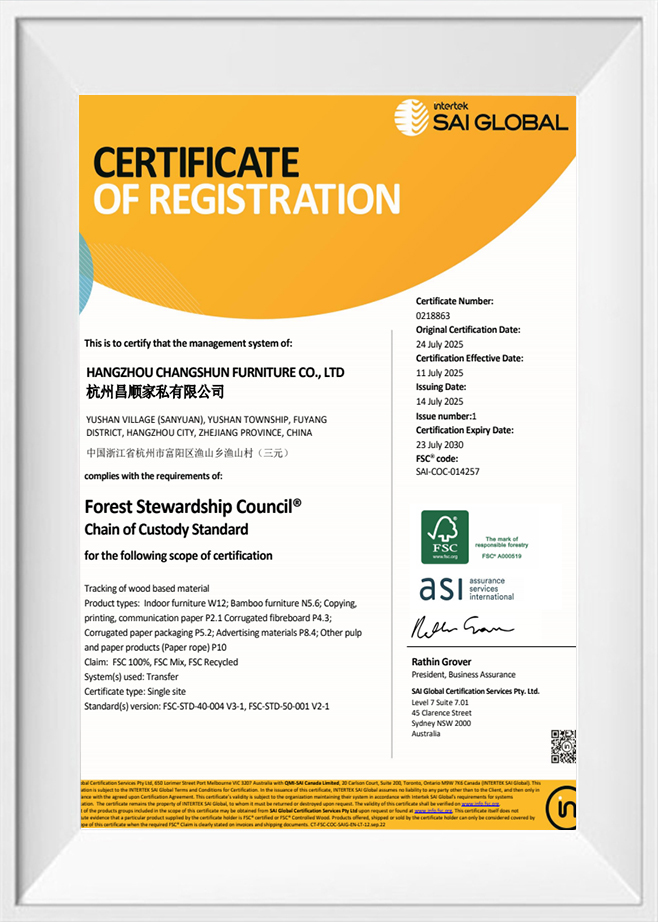
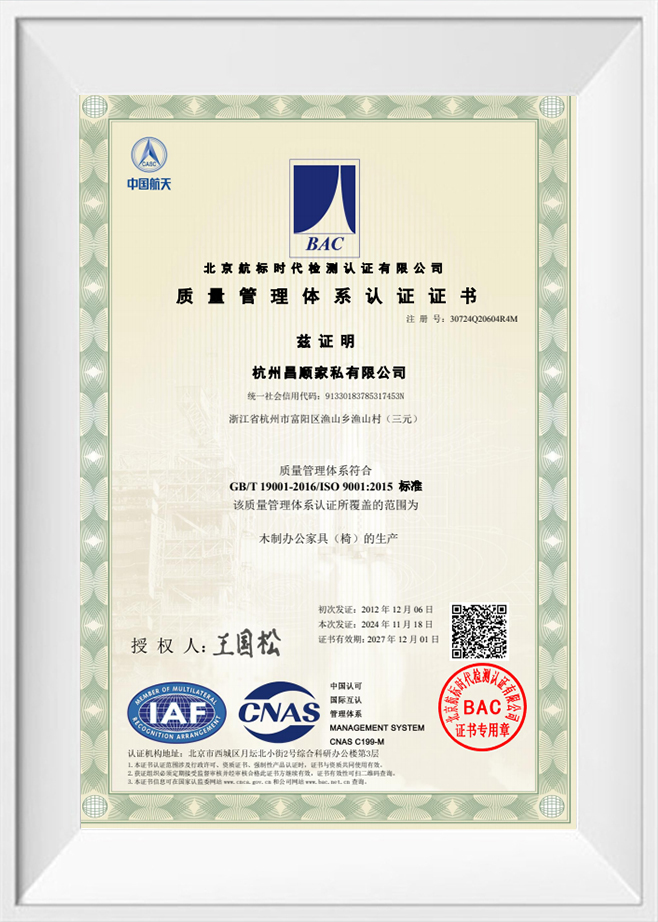
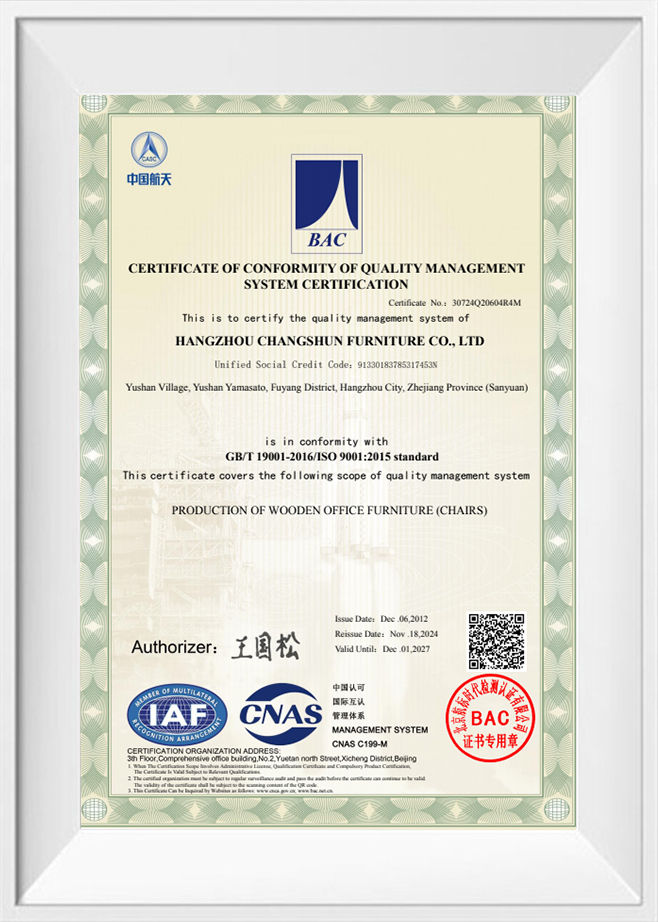
Naše zařízení je držitelem certifikace systému řízení kvality a registrační dokumentace a naše řady dřevěných židlí a stolů jsou podporovány materiálem s certifikací FSC. Rozšiřující hardware a pohyblivé části jsou před zabalením testovány na funkčnost a kontrola před odesláním může u rozšiřitelných modelů zahrnovat záznam funkčního testu.
Exportní balení stolů z masivního dřeva obsahuje ochranu rohů pěnou a celokartonový obal. Vrchy delší než 120 cm jsou opatřeny vnitřní výztuhou, aby se omezilo poškození ohybem během nakládání kontejnerů a překládky, což je běžná příčina škod na trasách s více rameny.
Citujeme podmínky FOB, CIF nebo CNF, jak bylo dohodnuto, s 30% zálohou před výrobou a 70% zůstatkem proti dokumentům; T/T je standardní a L/C je přijatelné. Náhradní hardware a náhradní díly pro rozšiřovací mechanismy mohou být zahrnuty v rozsahu dodávky pro distributorské programy.
Programy stolů jsou obvykle specifikovány vedle sezení a odpovídající řady židlí a stoliček vyrábíme ve stejné továrně. To udržuje tón dřeva, lesk povrchové úpravy a proporce nohou konzistentní napříč jídelním setem.
Konfiguraci a cenovou nabídku připravujeme z pracovního bodu projektu spíše než z katalogového čísla. Následující vstupy nám umožňují potvrdit strukturu, povrchovou úpravu a balení v jednom průchodu.
| Vstup | Co určuje |
|---|---|
| Rozměry a počet sedadel | Horní velikost, rozpětí, sekce nohou, hloubka zástěry |
| Druh a třída dřeva | Tvrdost, charakter zrna, nákladová poloha |
| Typ povrchové úpravy a barevný panel | Lesk, profil údržby, tolerance barvy šarže |
| Prodlužovací nebo pevná horní část | Typ mechanismu, rozsah QC testu, způsob balení |
| Cílový trh a trasa | Dokumentace shody, vyztužení obalu, obchodní termín |
| Množství a harmonogram dodávek | Přidělování linek přes stříhání, výrobu, lakování a balení |
Náš oválný rodinný dřevěný jídelní stůl se vyrábí v rozměrech š2400×h900×v750 mm, obdélníkové, oválné a kulaté desky stavíme na projektové rozměry. Tloušťka desky stolu je normálně 20–40 mm, přičemž 28–32 mm je běžná rovnováha mezi prémiovým pocitem a hmotností nákladu.
Ano. Vyvíjíme a vyrábíme ze zákaznických výkresů nebo vzorků, včetně OEM dřevěných stolů a zakázkových dřevěných jídelních stolů pro privátní značky a sortimenty distributorů. Náš vzorkovací tým spolupracuje přímo se zákazníkem na potvrzení rozměrů, truhlářství a povrchové úpravy před zahájením výroby.
Vyrábíme mimo jiné v provedení bílý dub, černý ořech, buk a kaučukovník. Výběr je přizpůsoben úrovni provozu, preferenci zrna a cenové pozici programu, přičemž obsah vlhkosti je řízen během sušení v sušárně, aby se omezil sezónní pohyb.
Uplatňuje se pět fází: kontrola surovin, testování prototypu, kontrola během procesu, kontrola hotového výrobku a konečná kontrola před odesláním. Naše zařízení je držitelem certifikace systému řízení kvality a naše řady dřevěných stolů a židlí podporuje získávání materiálů s certifikací FSC.
Citujeme FOB, CIF nebo CNF podle dohody. Zakázky hromadné výroby nesou 30% zálohu před výrobou a 70% zůstatek proti dokladům; T/T je standardní a L/C je přijatelné. Produkty se dodávají především do Evropy, Severní Ameriky, jihovýchodní Asie a na Střední východ.
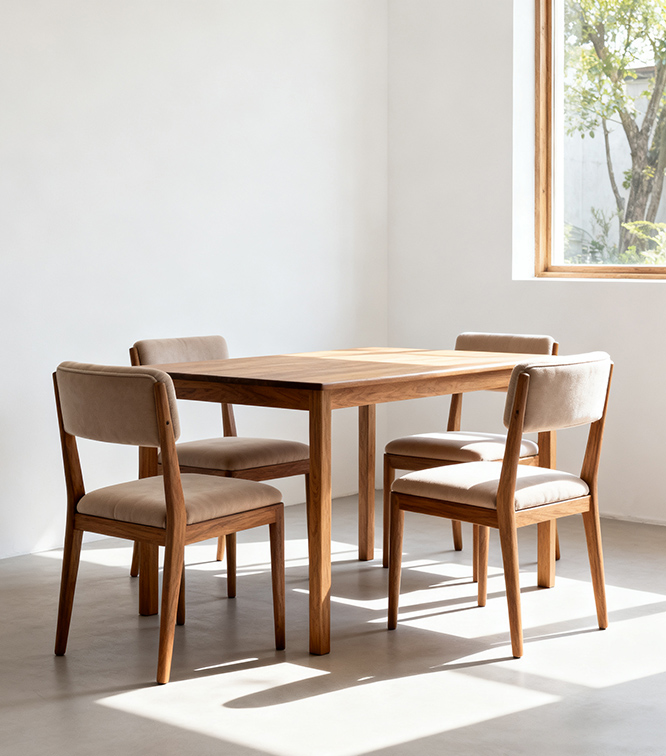
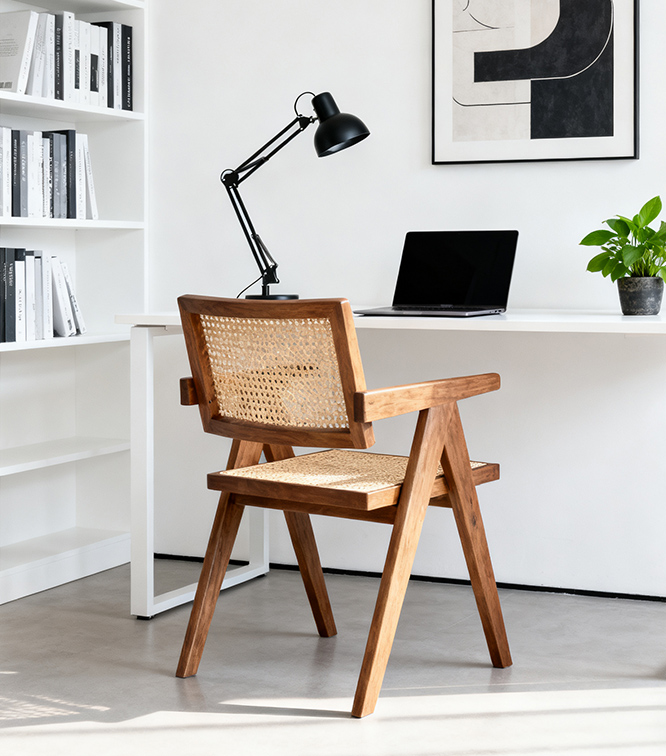
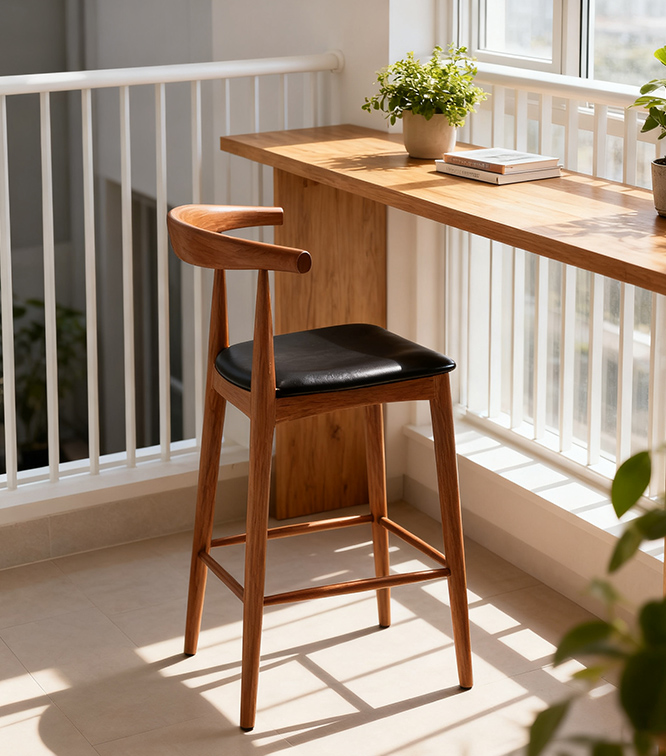
Ano. Stoly, čalouněné jídelní židle, tkané dřevěné židle a barové stoličky se vyrábějí ve stejném zařízení, takže odstín dřeva, lesk povrchové úpravy a proporce nohou zůstávají konzistentní v celé jídelní sadě.




Inovace orientované, kvalita jako život.
Neváhejte nás kontaktovat, pokud chcete s námi spolupracovat nebo si jen popovídat.
Staňte se klientem 
Kategorie produktů
Dřevěná čalouněná židle
Proutěná dřevěná židle
Dřevěné barové stoličky
Dřevěný stůl
Dřevěné židle s certifikací FSC
Dřevěné ratanové židle
Masivní dřevěná jídelní židle
Moderní dřevěná jídelní židle
Kontaktní informace
 +86-571-63521858
+86-571-63525898
 furniture@hzchangshun.com
emilypeng@hzchangshun.com
 č. 88, Zhumufan, Yushan Township, Fuyang District, Hangzhou City, Zhejiang Province, Čína


 EN
EN